Fittonia: The Nerve Plant That Faints Dramatically and Recovers Instantly
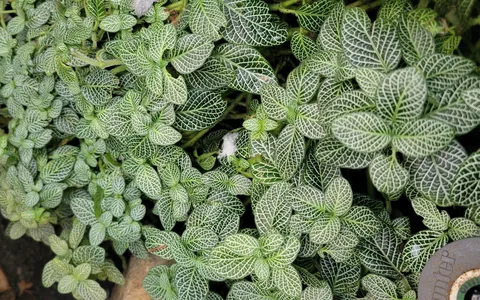
A compact nerve plant with neon-veined leaves that faints when thirsty and recovers within the hour. Pet-safe and terrarium-friendly; it needs moist soil and high humidity.
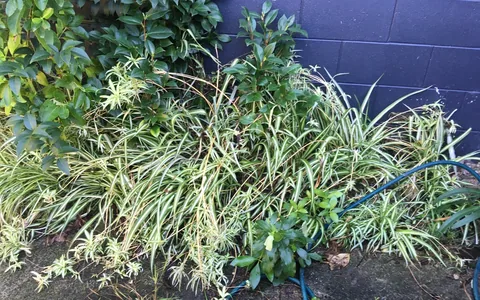
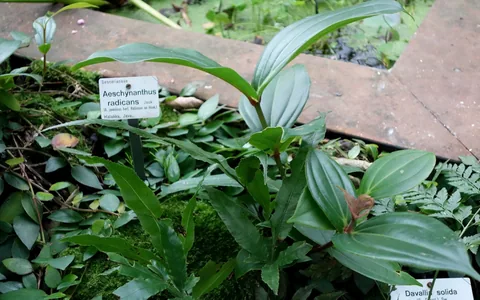
The grandmother-approved, pet-safe classic that produces dozens of baby plantlets. Tough and forgiving; use filtered water to avoid brown tips.
A glossy trailing vine with tubular red flowers that emerge like lipstick from a tube. Pet-safe, it blooms with bright indirect light, airy soil, and higher humidity.
The braided-trunk 'money tree' that is pet-safe, fast-growing, and forgiving. Bright indirect light and watering when the top two inches are dry keep it from dropping leaves.
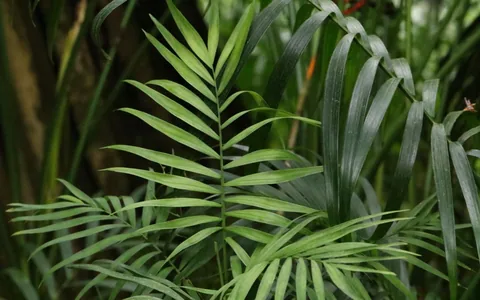
The rare palm that is happy indoors: slow-growing, pet-safe, and tolerant of lower light. It prefers lightly moist soil, filtered water, and a bit of extra humidity.
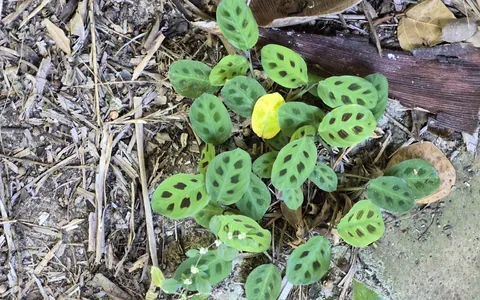
A low, spreading prayer plant with red-veined leaves that fold up at night. Pet-safe, but sensitive to tap water and dry air; give it filtered water and 50%+ humidity.
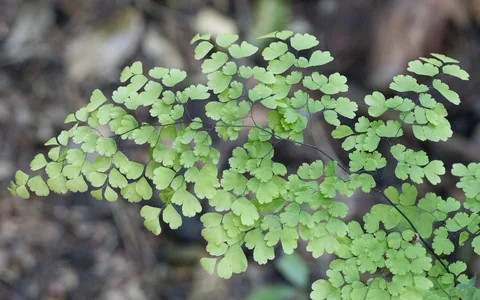
A delicate, lace-like fern that crisps the moment its soil dries. It needs constantly moist soil, indirect light, cool temperatures, and humidity above 60%.
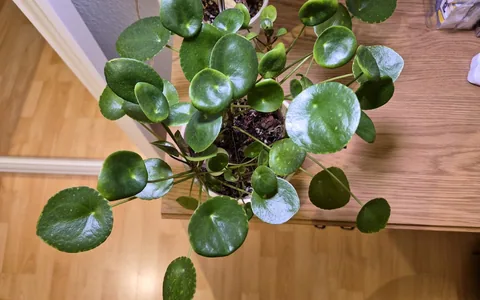
The coin-leafed 'pass-it-on' plant that constantly produces pups. Easy in bright indirect light with well-draining soil; rotate it often or it grows sideways.
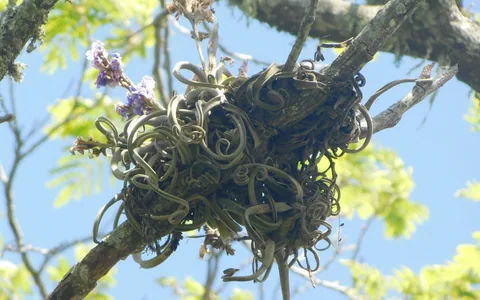
Soil-free air plants that absolutely do need care: a weekly soak, thorough drying, bright indirect light, and good airflow. The glass globe is the enemy.
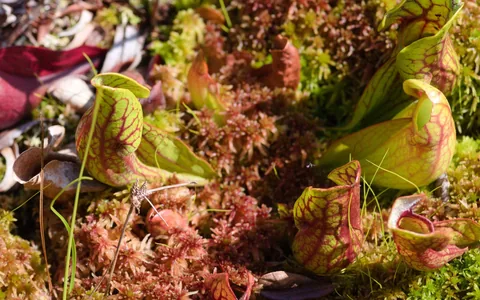
A hardy North American pitcher plant that needs full, direct sun, distilled water in a tray, nutrient-free soil, and a cold winter dormancy. Zero fertilizer, ever.