Fittonia: The Nerve Plant That Faints Dramatically and Recovers Instantly
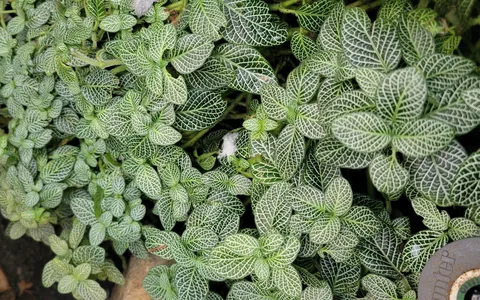
A compact nerve plant with neon-veined leaves that faints when thirsty and recovers within the hour. Pet-safe and terrarium-friendly; it needs moist soil and high humidity.
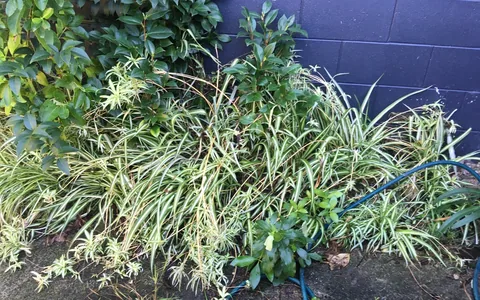
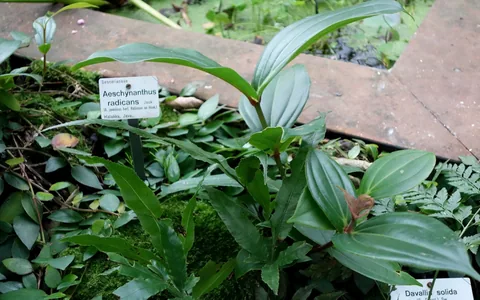
The grandmother-approved, pet-safe classic that produces dozens of baby plantlets. Tough and forgiving; use filtered water to avoid brown tips.
A glossy trailing vine with tubular red flowers that emerge like lipstick from a tube. Pet-safe, it blooms with bright indirect light, airy soil, and higher humidity.
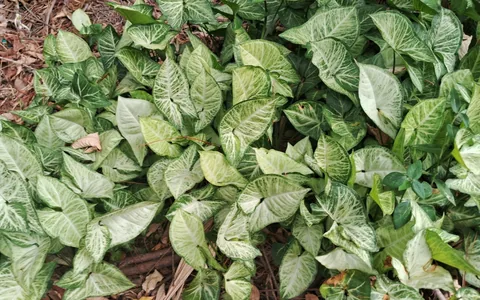
An arrowhead vine whose leaves change shape as it climbs. Fast, forgiving, and colorful in pink and variegated forms; it likes medium-bright indirect light and 50%+ humidity.
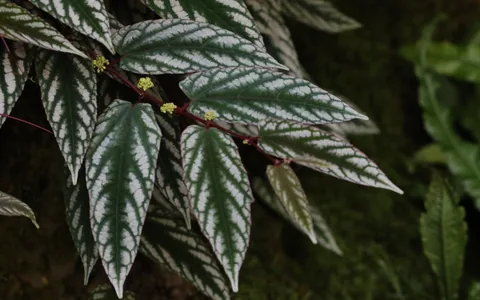
A velvet-leafed climbing vine that impersonates a rex begonia. It wants warmth, bright indirect light, consistently moist soil, and humidity above 60%.
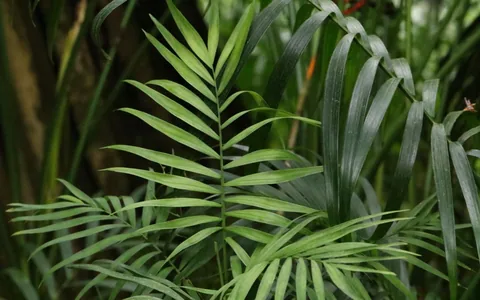
The rare palm that is happy indoors: slow-growing, pet-safe, and tolerant of lower light. It prefers lightly moist soil, filtered water, and a bit of extra humidity.
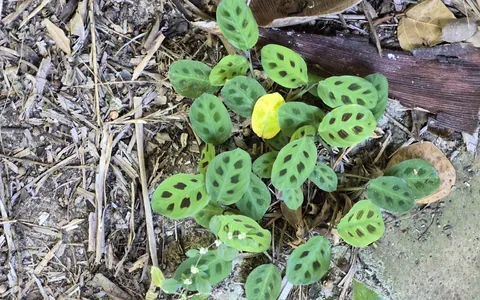
A low, spreading prayer plant with red-veined leaves that fold up at night. Pet-safe, but sensitive to tap water and dry air; give it filtered water and 50%+ humidity.
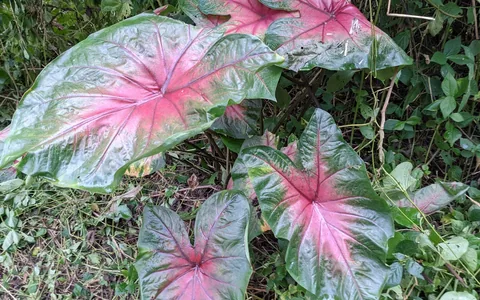
A tuber-grown plant with paper-thin, hand-painted leaves that goes fully dormant in winter. It wants warmth, filtered light, moist soil in season, and high humidity.
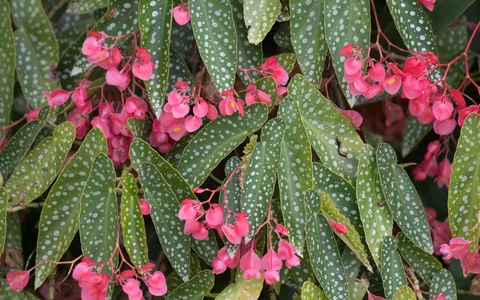
A polka-dotted, angel-wing beauty with red leaf undersides. Give it bright indirect light, light well-draining soil, and humidity without wet leaves to avoid mildew.
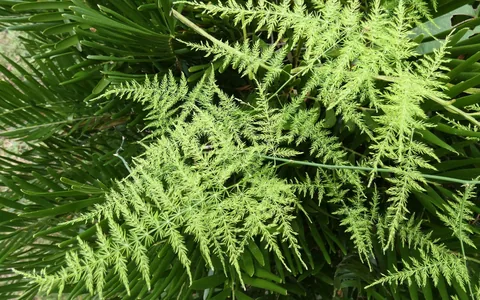
A lacy, cloud-like plant that is neither a fern nor edible asparagus. It wants bright indirect light, evenly moist soil, and enough humidity to keep its needles from dropping.